
ADK (adenosine kinase)

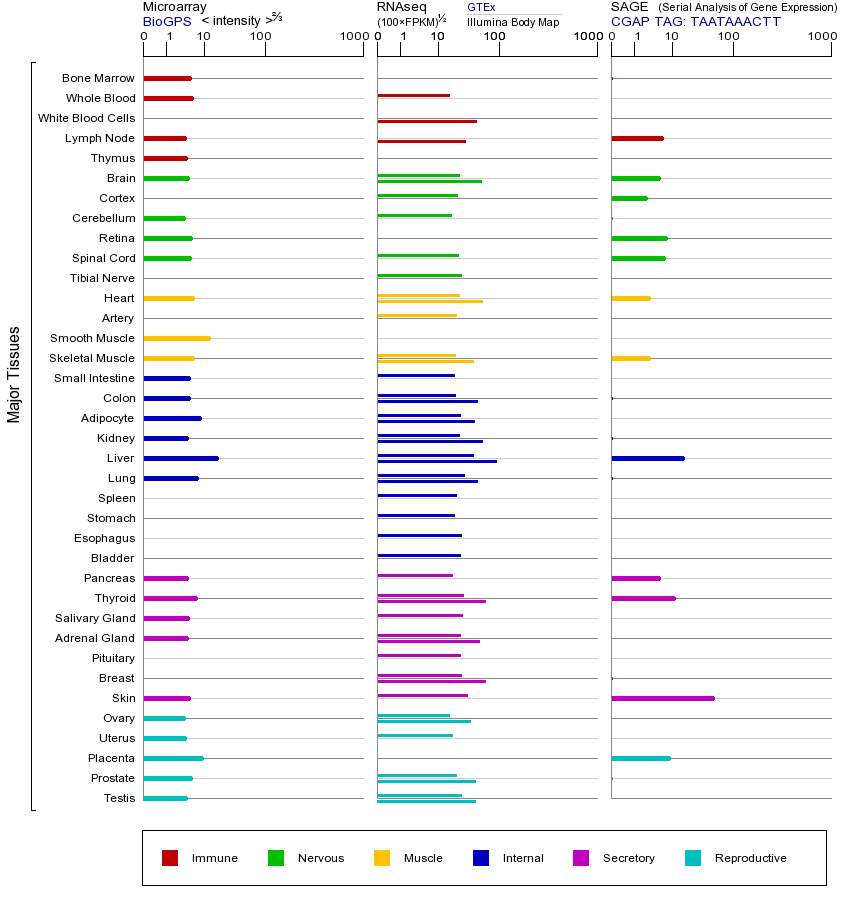
Adenosine kinase (ADK) is a critical metabolic enzyme within the purine metabolism family that catalyzes the ATP-dependent phosphorylation of adenosine to adenosine monophosphate (AMP), thereby serving as a primary mechanism for regulating intracellular adenosine homeostasis. As adenosine is a potent signaling molecule involved in neurotransmission, vasodilation, immune modulation, and energy metabolism, ADK activity is essential for fine-tuning these physiological processes, particularly in tissues with high expression levels such as the liver, brain, and skeletal muscle. In the central nervous system, ADK-mediated clearance of adenosine is crucial for modulating neuroinhibitory signaling; consequently, loss-of-function mutations lead to adenosine accumulation and excessive activation of adenosine receptors (such as A1 and A2A), which can result in altered sleep patterns, reduced neuroprotection, or paradoxical effects on seizure thresholds, whereas overexpression lowers adenosine levels, potentially increasing neuronal excitability, exacerbating inflammatory responses, and disrupting cardiovascular function. This regulatory role positions ADK as a significant target in various pathological contexts, including epilepsy, where its upregulation diminishes the anticonvulsant effects of adenosine, and ischemic brain injury, where its inhibition enhances adenosine-mediated neuroprotection. Furthermore, given that cancer cells often rely on purine salvage pathways to support rapid proliferation, ADK may contribute to tumor metabolic reprogramming, and its dysregulation is implicated in inflammatory diseases and cardiac disorders. As a key component of the purine nucleotide recycling network alongside enzymes like adenosine deaminase (ADA) and purine nucleoside phosphorylase (PNP), ADK maintains cellular purine pool stability, linking metabolic flux to critical signaling outcomes such as neuroexcitotoxicity, inflammation, and cardiac protection, thereby establishing it as a promising therapeutic target for metabolic and neurological diseases.
Gene Ontology
Subcellular localization of ADK (and its protein):
- plasma membrane
- cytoplasm
- extracellular
- golgi
- vesicle
- cytoskeleton
- endoplasmic reticulum
- nucleus
- endosome
- lysosome
- mitochondrion
Gene Ontology (GO) terms for ADK:
| Interacting Gene | Interaction | Source/Score |
| Name |
|---|
| 230 Purine metabolism [PATH:hsa00230] |
| Name |
|---|
| Metabolism |
| Metabolism of nucleotides |
| Purine metabolism |
| Purine salvage |
| Disease | Score | NofPmids | NofSnps | Source |
| HYPERMETHIONINEMIA DUE TO ADENOSINE KINASE DEFICIENCY | 0.36 | 1 | 2 | CLINVAR_ORPHANET_UNIPROT |
| Anoxia | 0.12272435 | 2 | 0 | CTD_human_LHGDN |
| Hypospadias | 0.12 | 1 | 1 | GWASCAT |
| Intellectual Disability | 0.12 | 1 | 0 | CTD_human |
| Epilepsy, Temporal Lobe | 0.080271442 | 2 | 0 | BeFree_RGD |
| Diabetes Mellitus, Experimental | 0.08 | 1 | 0 | RGD |
| Hypotension | 0.08 | 1 | 0 | RGD |
| Arthritis, Experimental | 0.08 | 1 | 0 | RGD |
| Fatty metamorphosis of viscera | 0.08 | 0 | 0 | MGD |
| Brain Infarction | 0.08 | 1 | 0 | RGD |

Contact
No. 2 Wenbo Road, Zhangqiu District, Jinan, Shandong
Qilu Normal University · Genelibs Bioinformatics Lab
750 Shunhua Rd, Jinan
2F, Bldg F, University Science Park
Tel: 0531-88819269
WeChat Official Account
Follow our WeChat subscription account for real-time updates and the latest in medical and biological research.
Business Email
E-mail: [email protected]

Copyright © 2026.Genelibs Jinan Honghui Biotechnology Co., Ltd. 鲁ICP备20007159号-2
