
C8G (complement C8 gamma chain)

symbol
C8G
locus group
protein-coding gene
location
9q34.3
gene_family
Complement system|Lipocalins
alias symbol
-
alias name
None
entrez id
733
ensembl gene id
ENSG00000176919
ucsc gene id
uc004cka.3
refseq accession
NM_000606
hgnc_id
HGNC:1354
approved reserved
1988-05-11
9q34.3
ChineseEnglish

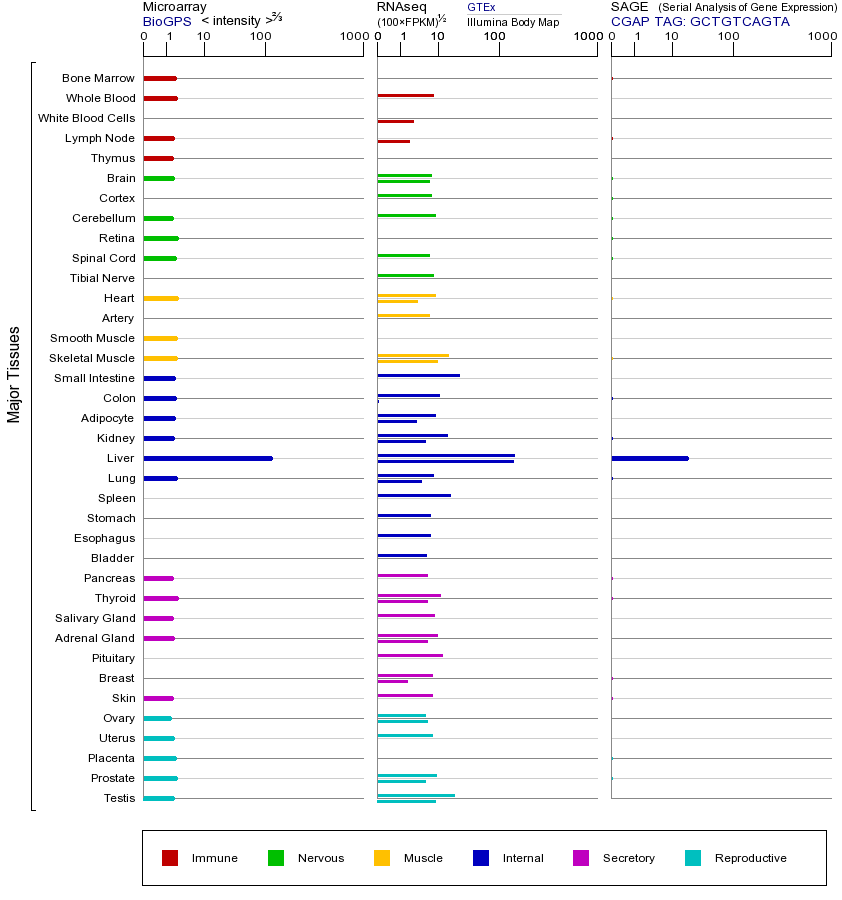
The C8G gene encodes the gamma chain of complement component 8, a critical structural subunit of the membrane attack complex (MAC) within the innate immune system. As part of the complement cascade, C8G, in conjunction with the alpha and beta chains encoded by C8A and C8B, forms the C8 complex, which serves as the essential bridge between the early complement stages and the final lytic event. This trimeric complex binds to the C5b-7 intermediate on the surface of target cells, creating a stable platform that recruits multiple copies of C9 to assemble the complete MAC. The resulting non-specific ion channel disrupts membrane integrity, leading to osmotic lysis of pathogens or aberrant cells, thereby providing a direct mechanism for bacterial clearance and cytotoxicity. C8G expression is primarily observed in the liver, where it is synthesized and secreted into the plasma, ensuring its availability throughout the circulatory system for rapid immune responses. Genetic mutations in C8G result in C8 deficiency, a hereditary complement disorder that severely compromises the body’s ability to form functional MACs, leaving individuals particularly susceptible to recurrent invasive infections by encapsulated bacteria, most notably Neisseria meningitidis and Neisseria gonorrhoeae, which can manifest as severe meningitis or gonorrhea. Beyond infectious risks, C8G deficiency is also associated with an increased predisposition to autoimmune phenomena, such as glomerulonephritis, suggesting a complex role in immune homeostasis. Conversely, dysregulated overexpression or excessive activation of the complement system can exacerbate inflammatory responses and cause collateral tissue damage, highlighting the need for precise regulatory balance to prevent the transition from protective immunity to pathological autoimmunity. Within the broader complement gene family, C8G exemplifies the cooperative molecular interactions required for MAC assembly, functioning alongside C6, C7, and C9 to execute the terminal pathway of complement activation.
Nucleotide sequence of C8G:[NCBI]
Loading Gene Browser...
Protein Sequence
1MLPPGTATLL TLLLAAGSLG QKPQRPRRPA SPISTIQPKA
41NFDAQQFAGT WLLVAVGSAC RFLQEQGHRA EATTLHVAPQ
81 GTAMAVSTF RKLDGICWQV RQLYGDTGVL GRFLLQARDA
121RGAVHVVVAE TDYQSFAVLY LERAGQLSVK LYARSLPVSD
161S VLSGFEQR VQEAHLTEDQ IFYFPKYGFC EAADQFHVLD
201EVRR
Structure predicted by AlphaFold DB(UniProt: P07360). Color indicates pLDDT confidence (dark blue = high, yellow/orange = low).
SNP variants of C8G:           Showing partial SNPs
rs17613       rs17614       rs20574       rs884112       rs884113       rs908830       rs2071006       rs2271870       rs2271871       rs2271872       rs4880077       rs7034646       rs7850844       rs7859131       rs7862602       rs7875913       rs10602532      

Tissue expression of C8G:    [UniProt]

Gene expression across tissues
Forward Primer
Forward Tm
Reverse Primer
Reverse Tm
Score
CAGTGAAGCTCTACGGACC
60
GAAGATCTGGTCCTCAGTCAG
60
GATGCTCAGCAGTTTGCAG
59
AAGGTACTGACAGCCATGG
59
GAGGACCAGATCTTCTACTTCC
60
CTCACCTCCTCACTTCGTC
60
GAGGACCAGATCTTCTACTTCC
60
CAGCAGAGACGAGACTCAG
60
GATGCTCAGCAGTTTGCAG
60
TTCGGAAGGTACTGACAGC
59
GAGGACCAGATCTTCTACTTCC
59
CTCACCTCCTCACTTCGTC
59
GGACCAGATCTTCTACTTCCC
59
CTCACCTCCTCACTTCGTC
60
TTGATGCTCAGCAGTTTGC
60
AAGGTACTGACAGCCATGG
59
AGGACCAGATCTTCTACTTCC
58
CAGCAGAGACGAGACTCAG
60
CAGTGAAGCTCTACGGACC
60
GATCTGGTCCTCAGTCAGG
59

Subcellular localization of C8G (and its protein):

[UniProt]     [GenomeNet]

" d="M482.414,245.296c3.539,4.293,4.455,10.009,0.202,11 c-4.244,0.996-4.983-10.983-8.293-8.438c-5.271,4.08,9.834,12.271,5.144,17.287c-3.717,3.607-6.172-5.75-10.839-1.976 c-4.673,3.776,6.781,7.299,2.831,11.326c-4.354,4.045-6.979-1.449-9.837-5.517c-1.193-1.742-2.059-3.851-3.595-2.748 c-1.516,1.078-1.854,1.795-0.938,3.666c2.374,4.854,9.235,10.119,5.156,12.535c-5.636,3.346-5.044-8.871-9.426-7.574 c-4.388,1.291,2.557,10.66-1.245,11.141c-4.089,0.545-3.483-10.239-6.979-8.575c-2.522,1.206-0.929,3.071-0.938,4.899 c0.004,1.32-0.964,3.6-2.372,4.062c-3.593,1.171-8.544-1.065-10.251-3.59c-6.04-8.93,0.396-15.997,4.639-7.015 c3.023,4.642,5.182,0.834,2.839-2.219c-1.032-1.354-4.309-5.901-0.781-7.252c2.904-1.113,4.271,1.941,5.985,4.592 c2.61,4.016,5.485,0.117,3.031-3.414c-1.828-2.633-2.74-3.803,3.156-7.42c6.405-4.369,6.52,3.869,10.077,0.646 c2.309-1.832-4.783-5.149,0.06-8.995c2.896-2.293,5.18,6.207,7.961,3.516c3.523-2.737-7.717-7.369,0.117-11.736 C473.413,240.77,480.519,242.891,482.414,245.296z"/> Extracellular space Cytosol Plasma membrane Cytoskeleton Lysosome Endosome Peroxisome ER Golgi Apparatus Nucleus Mitochondrion 0 1 2 3 4 5 Confidence
  • plasma membrane
  • cytoplasm
  • extracellular
  • golgi
  • vesicle
  • cytoskeleton
  • endoplasmic reticulum
  • nucleus
  • endosome
  • lysosome
  • mitochondrion

Gene Ontology (GO) terms for C8G:

GO ID
Protein
Source DB
GO:0001848
P07360 (UniProtKB)
IEA
GO:0005576
P07360 (UniProtKB)
TAS
GO:0005576
P07360 (UniProtKB)
TAS
GO:0005576
P07360 (UniProtKB)
TAS
GO:0005576
P07360 (UniProtKB)
TAS
GO:0005579
P07360 (UniProtKB)
IEA
GO:0006957
P07360 (UniProtKB)
IEA
GO:0006958
P07360 (UniProtKB)
IEA
GO:0019835
P07360 (UniProtKB)
IEA
GO:0019841
P07360 (UniProtKB)
IEA
GO:0030449
P07360 (UniProtKB)
TAS
GO:0032403
P07360 (UniProtKB)
IEA
GO:0070062
P07360 (UniProtKB)
IDA
GO:0070062
P07360 (UniProtKB)
IDA
GO:0072562
P07360 (UniProtKB)
IDA

microRNAs potentially regulating C8G:     

String
BioGrid
mentha
Reactome
Loading…
Interacting Gene Interaction Source/Score
Glycine linker modulates the tunable self-assembly and antibacterial efficacy of octanoyl lipopeptides.
Chen C, Zhang Y, Gu Q, Gu C, Zhang X, Jiang X, Song X, Fan X Colloids Surf B Biointerfaces IF: 5.9 2026-10-00
Mutations in sugar metabolism-related genes driving global drug-resistant Mycobacterium tuberculosis transmission revealed by whole-genome sequencing.
Li Y, Li Y, Kong X, Tao N, Hou Y, Han Q, Zhang Y, Long F, Liu Y, Li H BMC Infect Dis IF: 2.768 2026-01-30
Treatment with intravenous immunoglobulin modulates coagulation- and complement-related pathways in COVID-19 patients.
McGrosso D, Raygoza J, Kumar AJ, Lam MTY, Barnes LA, Karandashova S, Perryman A, Geriak M, Odish MF, Coufal NG, Lichtenstein B, Sakoulas G, Meier A, Nizet V, Masso-Silva JA Front Immunol IF: 7.0 2025-00-00
Metabolomic and proteomic characterization of sng and pain phenotypes in fibromyalgia.
Hsu WH, Han DS, Ku WC, Chao YM, Chen CC, Lin YL Eur J Pain IF: 3.8 2022-00-00
Molecular Composition of Serum Exosomes Could Discriminate Rectal Cancer Patients with Different Responses to Neoadjuvant Radiotherapy.
Strybel U, Marczak L, Zeman M, Polanski K, Mielańczyk Ł, Klymenko O, Samelak-Czajka A, Jackowiak P, Smolarz M, Chekan M, Zembala-Nożyńska E, Widlak P, Pietrowska M, Wojakowska A Cancers (Basel) 2022-02-16
Genetic association between inflammatory genes (IL-1α, CD14, LGALS2, PSMA6) and risk of ischemic stroke: A meta-analysis.
Misra Shubham, Kumar Pradeep, Kumar Amit, Sagar Ram, Chakravarty Kamalesh, Prasad Kameshwar Meta Gene 2016-03-25
Coding polymorphisms in the genes of the alternative complement pathway and abdominal aortic aneurysm.
Bradley D T, Badger S A, Bown M J, Sayers R D, Hughes A E Int J Immunogenet IF: 1.3 2011-09-12
Protein profiling underscores immunological functions of uterine cervical mucus plug in human pregnancy.
Lee Deug-Chan, Hassan Sonia S, Romero Roberto, Tarca Adi L, Bhatti Gaurav, Gervasi Maria Teresa, Caruso Joseph A, Stemmer Paul M, Kim Chong Jai, Hansen Lea Kirstine, Becher Naja, Uldbjerg Niels J Proteomics IF: 3.1 2011-08-15
Serum proteomic analysis of diet-induced steatohepatitis and metabolic syndrome in the Ossabaw miniature swine.
Bell Lauren N, Lee Lydia, Saxena Romil, Bemis Kerry G, Wang Mu, Theodorakis Janice L, Vuppalanchi Raj, Alloosh Mouhamad, Sturek Michael, Chalasani Naga Am J Physiol Gastrointest Liver Physiol IF: 3.0 2010-05-06

Loading comments...

Log in to post comments Log In Sign Up

Contact

No. 2 Wenbo Road, Zhangqiu District, Jinan, Shandong

Qilu Normal University · Genelibs Bioinformatics Lab

750 Shunhua Rd, Jinan

2F, Bldg F, University Science Park

Tel: 0531-88819269

WeChat Official Account

Follow our WeChat subscription account for real-time updates and the latest in medical and biological research.


Business Email

E-mail: [email protected]

