
CASP8 (caspase 8)

- symbol:
- CASP8
- locus group:
- protein-coding gene
- location:
- 2q33.1
- gene_family:
- Caspases
- alias symbol:
- MCH5|MACH|FLICE|Casp-8
- alias name:
- None
- entrez id:
- 841
- ensembl gene id:
- ENSG00000064012
- ucsc gene id:
- uc002uxt.2
- refseq accession:
- NM_001228
- hgnc_id:
- HGNC:1509
- approved reserved:
- 1996-11-11
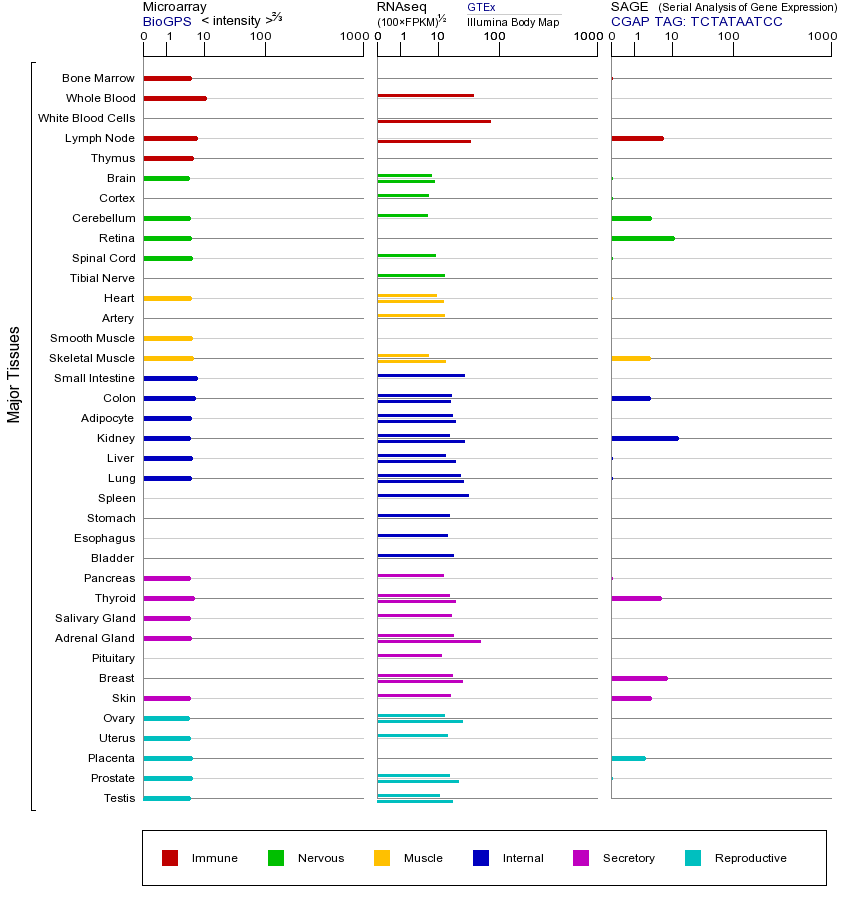
CASP8(Caspase 8)是一种重要的半胱氨酸蛋白酶(cysteine protease),属于Caspase基因家族,该家族成员在细胞凋亡(程序性细胞死亡)和炎症反应中起关键作用。CASP8的主要功能是作为凋亡信号通路的启动者,在外源性凋亡途径(extrinsic apoptosis pathway)中,它被死亡受体(如FAS或TNF受体)激活后,切割下游蛋白(如CASP3和CASP7),触发细胞凋亡。此外,CASP8还参与调控炎症反应和免疫细胞的存活。CASP8主要在免疫系统、胚胎发育和组织稳态中发挥作用,其活性位点包含一个半胱氨酸残基,能特异性切割天冬氨酸后的肽键(Asp-X)。CASP8突变可能导致功能丧失或过度激活,功能丧失突变与自身免疫性疾病(如自身免疫性淋巴增生综合征,ALPS)和某些癌症(如神经母细胞瘤)相关,而过度激活可能导致过度细胞死亡,影响组织发育。CASP8过表达可能增强细胞凋亡,抑制肿瘤生长,但也可能引起病理性的组织损伤;而降低表达可能导致凋亡受阻,促进肿瘤发生或自身免疫疾病。Caspase基因家族的共性是其成员均含有半胱氨酸蛋白酶活性,并参与细胞凋亡或炎症过程,部分成员(如CASP1、CASP4)主要调控炎症小体(inflammasome)激活。CASP8还与病毒感染(如HPV)的免疫逃逸有关,某些病毒蛋白可抑制其活性以逃避宿主免疫清除。
This gene encodes a member of the cysteine-aspartic acid protease (caspase) family. Sequential activation of caspases plays a central role in the execution-phase of cell apoptosis. Caspases exist as inactive proenzymes composed of a prodomain, a large protease subunit, and a small protease subunit. Activation of caspases requires proteolytic processing at conserved internal aspartic residues to generate a heterodimeric enzyme consisting of the large and small subunits. This protein is involved in the programmed cell death induced by Fas and various apoptotic stimuli. The N-terminal FADD-like death effector domain of this protein suggests that it may interact with Fas-interacting protein FADD. This protein was detected in the insoluble fraction of the affected brain region from Huntington disease patients but not in those from normal controls, which implicated the role in neurodegenerative diseases. Many alternatively spliced transcript variants encoding different isoforms have been described, although not all variants have had their full-length sequences determined. [provided by RefSeq, Jul 2008]
Gene Ontology
Subcellular localization of CASP8 (and its protein):
- plasma membrane
- cytoplasm
- extracellular
- golgi
- vesicle
- cytoskeleton
- endoplasmic reticulum
- nucleus
- endosome
- lysosome
- mitochondrion
Gene Ontology (GO) terms for CASP8:
| Interacting Gene | Interaction | Source/Score |
| Name |
|---|
| 4668 TNF signaling pathway [PATH:hsa04668] |
| 4210 Apoptosis [PATH:hsa04210] |
| 4115 p53 signaling pathway [PATH:hsa04115] |
| 4620 Toll-like receptor signaling pathway [PATH:hsa04620] |
| 4621 NOD-like receptor signaling pathway [PATH:hsa04621] |
| 4622 RIG-I-like receptor signaling pathway [PATH:hsa04622] |
| 5200 Pathways in cancer [PATH:hsa05200] |
| 5203 Viral carcinogenesis [PATH:hsa05203] |
| 5010 Alzheimer's disease [PATH:hsa05010] |
| 5016 Huntington's disease [PATH:hsa05016] |
| 5416 Viral myocarditis [PATH:hsa05416] |
| 4932 Non-alcoholic fatty liver disease (NAFLD) [PATH:hsa04932] |
| 5134 Legionellosis [PATH:hsa05134] |
| 5152 Tuberculosis [PATH:hsa05152] |
| 5161 Hepatitis B [PATH:hsa05161] |
| 5168 Herpes simplex infection [PATH:hsa05168] |
| 5145 Toxoplasmosis [PATH:hsa05145] |
| 5142 Chagas disease (American trypanosomiasis) [PATH:hsa05142] |
| Name |
|---|
| Activated TLR4 signalling |
| Activation, myristolyation of BID and translocation to mitochondria |
| Apoptosis |
| Apoptotic cleavage of cellular proteins |
| Apoptotic execution phase |
| C-type lectin receptors (CLRs) |
| CASP8 activity is inhibited |
| Caspase activation via extrinsic apoptotic signalig pathway |
| Caspase-mediated cleavage of cytoskeletal proteins |
| CLEC7A (Dectin-1) signaling |
| CLEC7A/inflammasome pathway |
| Death Receptor Signalling |
| Dimerization of procaspase-8 |
| FasL/ CD95L signaling |
| Immune System |
| Innate Immune System |
| Intrinsic Pathway for Apoptosis |
| Ligand-dependent caspase activation |
| MyD88-independent TLR3/TLR4 cascade |
| NF-kB activation through FADD/RIP-1 pathway mediated by caspase-8 and -10 |
| NOD1/2 Signaling Pathway |
| Nucleotide-binding domain, leucine rich repeat containing receptor (NLR) signaling pathways |
| Programmed Cell Death |
| Regulated Necrosis |
| Regulation by c-FLIP |
| Regulation of necroptotic cell death |
| RIG-I/MDA5 mediated induction of IFN-alpha/beta pathways |
| RIPK1-mediated regulated necrosis |
| Signal Transduction |
| TNF signaling |
| TNFR1-mediated proapoptotic signaling |
| Toll Like Receptor 3 (TLR3) Cascade |
| Toll Like Receptor 4 (TLR4) Cascade |
| Toll-Like Receptors Cascades |
| TRAIL signaling |
| TRIF-mediated programmed cell death |
| TRIF-mediated TLR3/TLR4 signaling |
| Disease | Score | NofPmids | NofSnps | Source |
| Autoimmune Lymphoproliferative Syndrome Type 2B | 0.440542884 | 2 | 1 | BeFree_CLINVAR_MGD_ORPHANET_UNIPROT |
| Liver carcinoma | 0.250334654 | 18 | 1 | BeFree_CLINVAR_CTD_human_LHGDN |
| Status Epilepticus | 0.2 | 2 | 0 | CTD_human_RGD |
| Mammary Neoplasms | 0.141980367 | 11 | 0 | BeFree_CTD_human_GAD_LHGDN |
| Lung Neoplasms | 0.128715934 | 6 | 0 | BeFree_CTD_human_LHGDN |
| melanoma | 0.127805801 | 11 | 0 | BeFree_CTD_human_GAD_LHGDN |
| Chronic Lymphocytic Leukemia | 0.123995683 | 7 | 8 | BeFree_GAD_GWASCAT |
| Precursor Cell Lymphoblastic Leukemia Lymphoma | 0.122995792 | 2 | 0 | BeFree_CTD_human_LHGDN |
| Adenocarcinoma | 0.122909916 | 4 | 0 | BeFree_CTD_human_GAD |
| Non-Small Cell Lung Carcinoma | 0.122714419 | 11 | 0 | BeFree_CTD_human |

Contact
No. 2 Wenbo Road, Zhangqiu District, Jinan, Shandong
Qilu Normal University · Genelibs Bioinformatics Lab
750 Shunhua Rd, Jinan
2F, Bldg F, University Science Park
Tel: 0531-88819269
WeChat Official Account
Follow our WeChat subscription account for real-time updates and the latest in medical and biological research.
Business Email
E-mail: [email protected]

Copyright © 2026.Genelibs Jinan Honghui Biotechnology Co., Ltd. 鲁ICP备20007159号-2
