
HOOK1 (hook microtubule tethering protein 1)

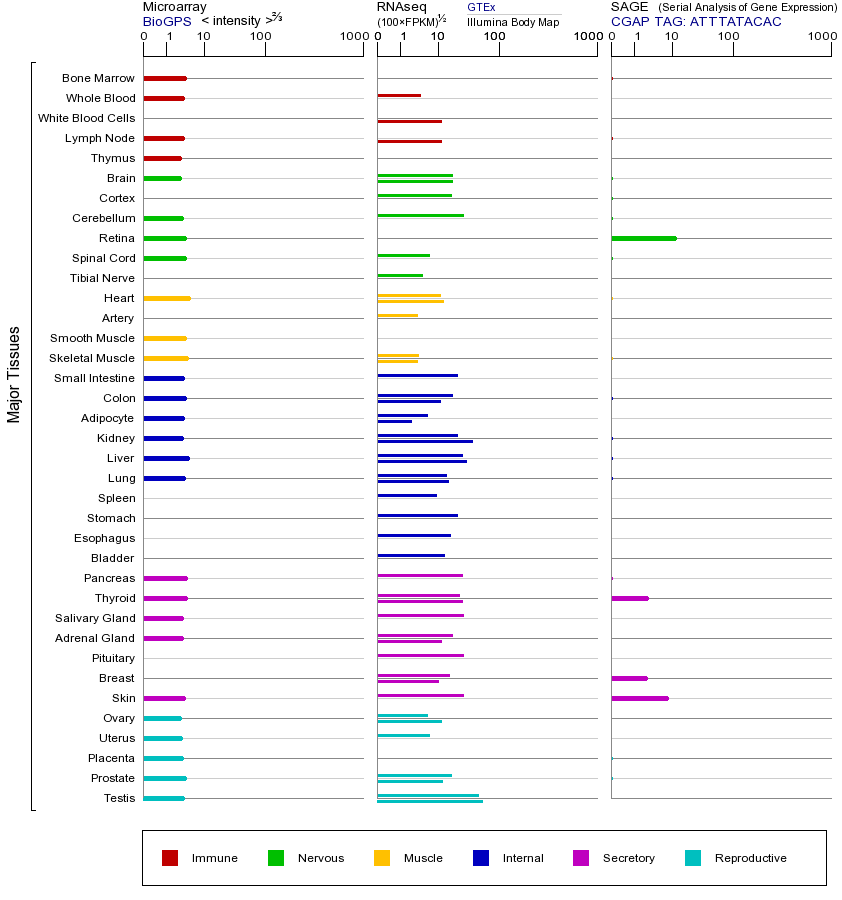
The HOOK1 gene encodes a member of the HOOK protein family, a conserved group of cytoplasmic adaptor proteins that serve as critical molecular bridges in intracellular trafficking. By leveraging its N-terminal microtubule-binding domain and C-terminal cargo-binding domain, HOOK1 facilitates the directional transport of vesicles along the microtubule network, specifically mediating the shuttling of cargo between the Golgi apparatus and endosomes to maintain the dynamic homeostasis of the endomembrane system. While HOOK family members share these structural motifs, HOOK1 is distinguished by its predominant expression in the nervous system, where it plays a pivotal role in axonal transport, synaptic vesicle dynamics, and the maintenance of synaptic function. Disruptions in HOOK1 function, whether through loss-of-function mutations that impair transport efficiency and synaptic plasticity or gain-of-function events that disrupt normal vesicular logistics, have been implicated in the pathogenesis of neurodegenerative disorders such as Alzheimer’s and Parkinson’s diseases. Beyond its neurological significance, emerging evidence suggests that HOOK1 also contributes to oncogenic processes by modulating cell division and migration, indicating a broader role in cellular physiology that extends to the regulation of cancer development.
Gene Ontology
Subcellular localization of HOOK1 (and its protein):
- plasma membrane
- cytoplasm
- extracellular
- golgi
- vesicle
- cytoskeleton
- endoplasmic reticulum
- nucleus
- endosome
- lysosome
- mitochondrion
Gene Ontology (GO) terms for HOOK1:
| Interacting Gene | Interaction | Source/Score |
| Disease | Score | NofPmids | NofSnps | Source |
| Tobacco Use Disorder | 0.002367032 | 1 | 0 | GAD |
| Juvenile Neuronal Ceroid Lipofuscinosis | 0.000542884 | 2 | 0 | BeFree |

Contact
No. 2 Wenbo Road, Zhangqiu District, Jinan, Shandong
Qilu Normal University · Genelibs Bioinformatics Lab
750 Shunhua Rd, Jinan
2F, Bldg F, University Science Park
Tel: 0531-88819269
WeChat Official Account
Follow our WeChat subscription account for real-time updates and the latest in medical and biological research.
Business Email
E-mail: [email protected]

Copyright © 2026.Genelibs Jinan Honghui Biotechnology Co., Ltd. 鲁ICP备20007159号-2
