
LPL (lipoprotein lipase)

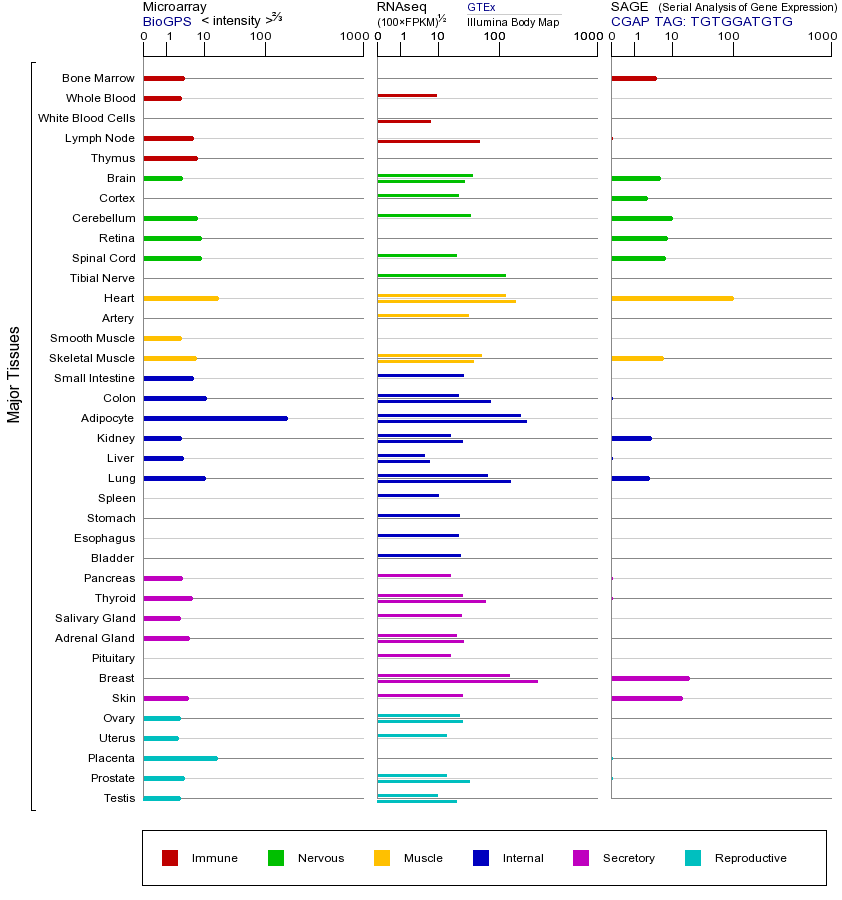
Lipoprotein lipase (LPL) is a pivotal metabolic enzyme that serves as the primary catalyst for the hydrolysis of triglycerides within circulating chylomicrons and very-low-density lipoproteins (VLDL), thereby liberating free fatty acids for uptake and utilization by peripheral tissues. Expressed predominantly on the luminal surface of capillary endothelial cells in adipose tissue, the heart, and skeletal muscle, LPL acts as a central regulator of systemic lipid homeostasis. Its enzymatic activity is tightly modulated by a complex interplay of regulatory factors, including insulin, which generally suppresses activity, and apolipoprotein C-II, which acts as an essential cofactor for activation, while apolipoprotein C-III serves as a potent inhibitor. As a member of the lipase gene family, LPL shares structural and functional homology with other lipases such as hepatic lipase and endothelial lipase (LIPG), though these enzymes differ in their specific substrate preferences and tissue distribution profiles. Genetic alterations in the LPL gene have significant clinical implications; loss-of-function mutations can result in familial chylomicronemia syndrome (Type I hyperlipoproteinemia), a severe disorder characterized by extreme hypertriglyceridemia, recurrent pancreatitis, and the development of xanthomas, whereas partial loss-of-function variants may manifest as milder phenotypes. Conversely, while enhanced LPL expression can accelerate lipid clearance and potentially improve insulin sensitivity, excessive activation may paradoxically lead to abnormal fat deposition, and reduced expression is associated with elevated cardiovascular risk. LPL is intimately linked to the pathophysiology of atherosclerosis, obesity, and type 2 diabetes, with specific polymorphisms such as S447X influencing individual susceptibility to cardiovascular disease. Beyond its canonical role in lipid metabolism, LPL is implicated in inflammatory responses and macrophage lipid handling, and it may modulate tumor microenvironment dynamics by regulating the availability of fatty acids essential for cancer cell proliferation.
Gene Ontology
Subcellular localization of LPL (and its protein):
- plasma membrane
- cytoplasm
- extracellular
- golgi
- vesicle
- cytoskeleton
- endoplasmic reticulum
- nucleus
- endosome
- lysosome
- mitochondrion
Gene Ontology (GO) terms for LPL:
| Interacting Gene | Interaction | Source/Score |
| Name |
|---|
| 561 Glycerolipid metabolism [PATH:hsa00561] |
| 3320 PPAR signaling pathway [PATH:hsa03320] |
| 5010 Alzheimer's disease [PATH:hsa05010] |
| Name |
|---|
| Chylomicron-mediated lipid transport |
| Developmental Biology |
| Lipid digestion, mobilization, and transport |
| Lipoprotein metabolism |
| Metabolism |
| Metabolism of lipids and lipoproteins |
| Retinoid metabolism and transport |
| Signal Transduction |
| Transcriptional regulation of white adipocyte differentiation |
| Visual phototransduction |
| Disease | Score | NofPmids | NofSnps | Source |
| Hyperlipoproteinemia Type I | 0.588511328 | 118 | 35 | BeFree_CLINVAR_CTD_human_LHGDN_MGD_ORPHANET_UNIPROT |
| Hypertriglyceridemia | 0.271145155 | 30 | 1 | CTD_human_GAD_LHGDN_RGD |
| Hyperlipidemia, Familial Combined | 0.256611493 | 25 | 2 | BeFree_CLINVAR_CTD_human_GAD_LHGDN |
| Obesity | 0.249544512 | 55 | 2 | BeFree_CTD_human_GAD_RGD |
| Coronary Artery Disease | 0.201168641 | 66 | 1 | BeFree_GAD_GWASCAT_LHGDN |
| Coronary heart disease | 0.184679244 | 85 | 2 | BeFree_CLINVAR_GAD_LHGDN |
| Hypertensive disease | 0.169364997 | 26 | 0 | BeFree_CTD_human_GAD_LHGDN |
| Hyperlipidemia | 0.156372006 | 30 | 0 | BeFree_CTD_human_GAD_LHGDN |
| Cardiovascular Diseases | 0.147003567 | 30 | 0 | BeFree_CTD_human_GAD |
| Dyslipidemias | 0.14597 | 36 | 0 | BeFree_CTD_human_GAD_LHGDN |

Contact
No. 2 Wenbo Road, Zhangqiu District, Jinan, Shandong
Qilu Normal University · Genelibs Bioinformatics Lab
750 Shunhua Rd, Jinan
2F, Bldg F, University Science Park
Tel: 0531-88819269
WeChat Official Account
Follow our WeChat subscription account for real-time updates and the latest in medical and biological research.
Business Email
E-mail: [email protected]

Copyright © 2026.Genelibs Jinan Honghui Biotechnology Co., Ltd. 鲁ICP备20007159号-2
