
VIM (vimentin)

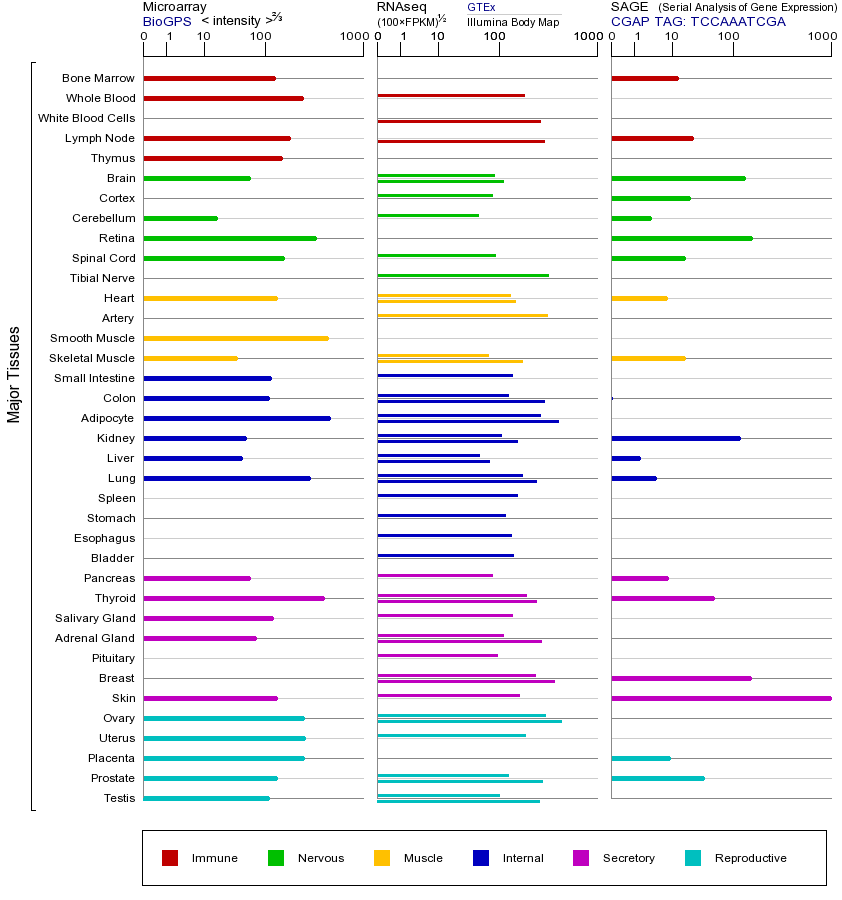
The VIM gene encodes vimentin, a type III intermediate filament protein that serves as a critical structural component of the cytoskeleton, primarily expressed in mesenchymal cells such as fibroblasts, endothelial cells, and immune cells. By forming a robust network that provides mechanical stability and resilience, vimentin maintains cellular integrity and facilitates essential processes including cell migration, adhesion, and intracellular transport, while also interacting with actin and tubulin to coordinate cytoskeletal dynamics. Beyond its structural role, vimentin is heavily implicated in cellular stress responses, where it offers protection against oxidative damage, and in immune modulation, as it can be released extracellularly to act as a damage-associated molecular pattern (DAMP) that activates inflammatory pathways. The expression of VIM is tightly regulated by key signaling cascades, including the TGF-β and Wnt pathways, and its upregulation is a hallmark of epithelial-mesenchymal transition (EMT), a process that endows cancer cells with migratory and invasive capabilities, contributing to metastasis in malignancies such as breast cancer, prostate cancer, and melanoma. Furthermore, vimentin plays a significant role in fibrotic diseases like pulmonary and hepatic fibrosis by promoting fibroblast activation, and it has been identified as a receptor or cofactor for certain viral infections, including dengue virus. Although rare mutations in VIM can lead to hereditary conditions such as cataracts and myopathies due to its expression in lens and muscle tissues, the gene’s multifaceted involvement in tissue remodeling, wound healing, and immune signaling underscores its broad importance in both physiological homeostasis and pathological disease progression.
Gene Ontology
Subcellular localization of VIM (and its protein):
- plasma membrane
- cytoplasm
- extracellular
- golgi
- vesicle
- cytoskeleton
- endoplasmic reticulum
- nucleus
- endosome
- lysosome
- mitochondrion
Gene Ontology (GO) terms for VIM:
| Interacting Gene | Interaction | Source/Score |
| Name |
|---|
| 5206 MicroRNAs in cancer [PATH:hsa05206] |
| 5169 Epstein-Barr virus infection [PATH:hsa05169] |
| Name |
|---|
| Apoptosis |
| Apoptotic cleavage of cellular proteins |
| Apoptotic execution phase |
| Caspase-mediated cleavage of cytoskeletal proteins |
| Muscle contraction |
| Programmed Cell Death |
| Striated Muscle Contraction |
| Disease | Score | NofPmids | NofSnps | Source |
| Nephrosis | 0.2 | 1 | 0 | CTD_human_RGD |
| Neoplasm Metastasis | 0.132486326 | 47 | 0 | BeFree_CTD_human |
| Mammary Neoplasms | 0.130344586 | 12 | 0 | BeFree_CTD_human_LHGDN |
| Prostatic Neoplasms | 0.125991584 | 6 | 0 | BeFree_CTD_human_LHGDN |
| Cataract | 0.120814326 | 3 | 0 | BeFree_CTD_human |
| synovial sarcoma | 0.120542884 | 3 | 0 | BeFree_CTD_human |
| Acute Coronary Syndrome | 0.12 | 1 | 0 | CTD_human |
| Carcinosarcoma | 0.12 | 1 | 0 | CTD_human |
| Degenerative polyarthritis | 0.12 | 2 | 0 | CTD_human |
| Motor Neuron Disease | 0.12 | 1 | 0 | CTD_human |

Contact
No. 2 Wenbo Road, Zhangqiu District, Jinan, Shandong
Qilu Normal University · Genelibs Bioinformatics Lab
750 Shunhua Rd, Jinan
2F, Bldg F, University Science Park
Tel: 0531-88819269
WeChat Official Account
Follow our WeChat subscription account for real-time updates and the latest in medical and biological research.
Business Email
E-mail: [email protected]

Copyright © 2026.Genelibs Jinan Honghui Biotechnology Co., Ltd. 鲁ICP备20007159号-2
