
XPC (XPC complex subunit, DNA damage recognition and repair factor)

The XPC gene, standing for xeroderma pigmentosum complementation group C, encodes a critical protein within the nucleotide excision repair (NER) pathway that specializes in the recognition and repair of bulky DNA lesions, particularly pyrimidine dimers induced by ultraviolet (UV) radiation or chemical carcinogens. As a central component of the damage recognition complex, the XPC protein associates with HR23B to form the XPC-HR23B complex, which actively scans the genome to detect helical distortions characteristic of global genome NER (GG-NER). Although the XPC protein lacks intrinsic enzymatic activity, it serves as a vital scaffold that recruits downstream repair factors, such as the TFIIH helicase complex, to initiate the unwinding of the damaged DNA strand. Mutations in XPC result in the autosomal recessive disorder xeroderma pigmentosum (XP), characterized by extreme photosensitivity, a markedly elevated risk of cutaneous malignancies, and potential neurological abnormalities due to the accumulation of unrepaired DNA damage. XPC is one of seven complementary groups (XPA through XPG) within the XP gene family, each contributing to distinct stages of the NER cascade; while XPA verifies damage and XPB/XPD unwind the DNA, XPF/ERCC1 and XPG execute the incision of the damaged strand, collectively ensuring the coordinated removal and resynthesis of the excised segment. Beyond UV-induced damage, XPC also plays a role in repairing oxidative DNA lesions and may influence resistance to chemotherapy, suggesting that its expression levels can modulate genomic stability and impact the efficacy of cancer treatments.
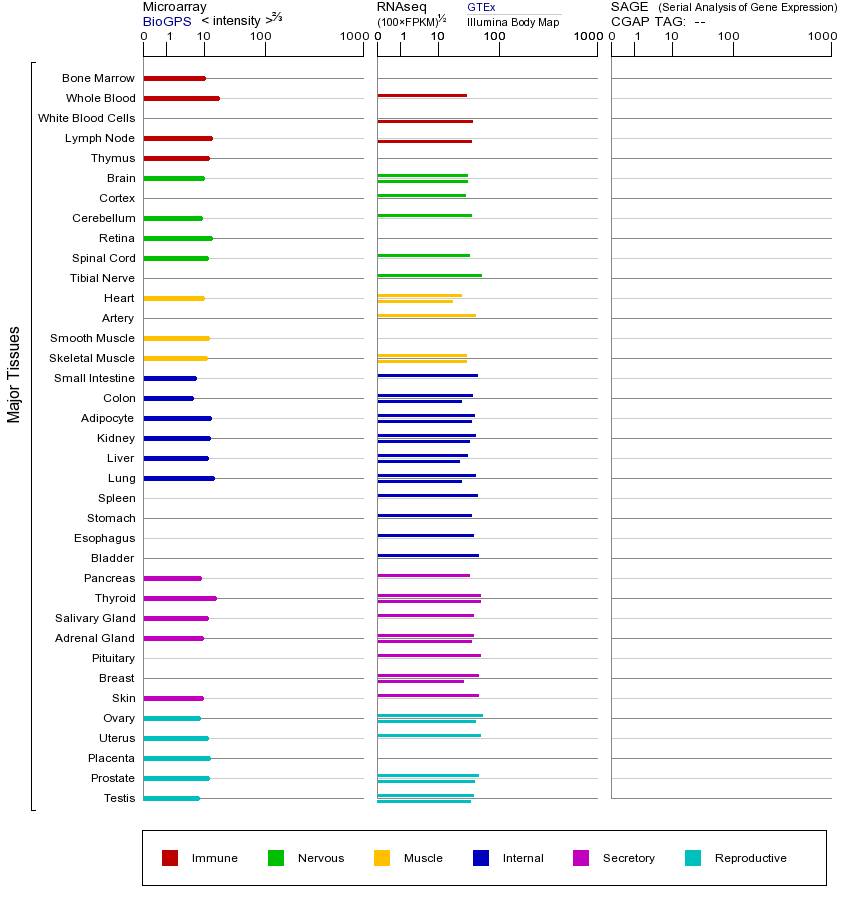
Gene Ontology
Subcellular localization of XPC (and its protein):
- plasma membrane
- cytoplasm
- extracellular
- golgi
- vesicle
- cytoskeleton
- endoplasmic reticulum
- nucleus
- endosome
- lysosome
- mitochondrion
Gene Ontology (GO) terms for XPC:
| Interacting Gene | Interaction | Source/Score |
| Name |
|---|
| 3420 Nucleotide excision repair [PATH:hsa03420] |
| Name |
|---|
| DNA Damage Recognition in GG-NER |
| DNA Repair |
| Dual incision reaction in GG-NER |
| Formation of incision complex in GG-NER |
| Global Genomic NER (GG-NER) |
| Metabolism of proteins |
| Nucleotide Excision Repair |
| Post-translational protein modification |
| SUMO E3 ligases SUMOylate target proteins |
| SUMOylation |
| SUMOylation of DNA damage response and repair proteins |
| Disease | Score | NofPmids | NofSnps | Source |
| XERODERMA PIGMENTOSUM, COMPLEMENTATION GROUP C | 0.568957582 | 34 | 15 | BeFree_CLINVAR_CTD_human_MGD_ORPHANET_UNIPROT |
| Lung Neoplasms | 0.133535875 | 7 | 0 | BeFree_CTD_human_GAD_LHGDN |
| Chromosome Aberrations | 0.127101096 | 4 | 0 | CTD_human_GAD |
| Adenocarcinoma of lung (disorder) | 0.120542884 | 2 | 0 | BeFree_CTD_human |
| Micronuclei, Chromosome-Defective | 0.12 | 1 | 0 | CTD_human |
| Amino Acid Metabolism, Inborn Errors | 0.12 | 1 | 0 | CTD_human |
| Autistic Disorder | 0.12 | 1 | 0 | CTD_human |
| Carcinoma of lung | 0.084071628 | 15 | 11 | BeFree_MGD |
| Malignant neoplasm of lung | 0.044311172 | 24 | 11 | BeFree_GAD |
| Malignant neoplasm of urinary bladder | 0.031737631 | 27 | 7 | BeFree_GAD |

Contact
No. 2 Wenbo Road, Zhangqiu District, Jinan, Shandong
Qilu Normal University · Genelibs Bioinformatics Lab
750 Shunhua Rd, Jinan
2F, Bldg F, University Science Park
Tel: 0531-88819269
WeChat Official Account
Follow our WeChat subscription account for real-time updates and the latest in medical and biological research.
Business Email
E-mail: [email protected]

Copyright © 2026.Genelibs Jinan Honghui Biotechnology Co., Ltd. 鲁ICP备20007159号-2
