
CECR2 (CECR2 histone acetyl-lysine reader)

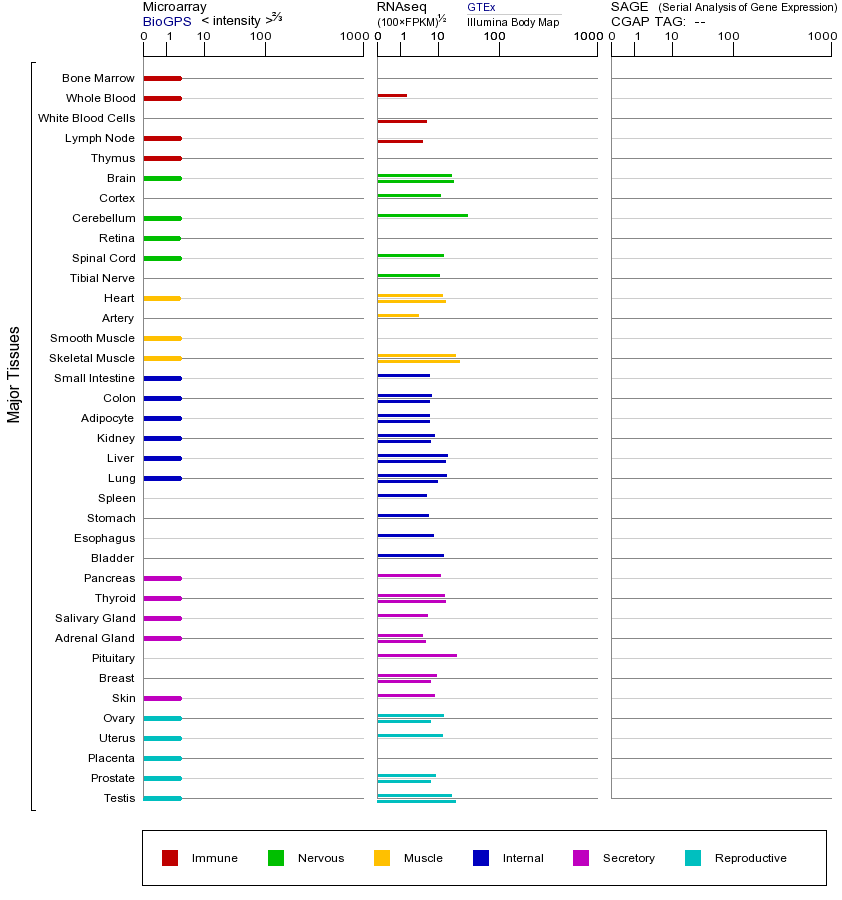
CECR2, located on human chromosome 22, encodes a critical subunit of the BAF (BRG1/BRM-associated factor) chromatin remodeling complex, a multi-protein assembly that utilizes ATP-dependent hydrolysis to reposition nucleosomes and modulate chromatin accessibility. As a core component of this family, CECR2 facilitates the dynamic regulation of gene transcription by altering the physical structure of chromatin, thereby playing an indispensable role in embryonic development, cellular differentiation, and the maintenance of neural system function. Its activity is particularly vital during the organogenesis of the heart, brain, and eyes, where precise spatiotemporal control of gene expression is required to establish proper tissue architecture and cellular identity. The functional integrity of CECR2 relies on its stable interaction with other BAF complex members; consequently, loss-of-function mutations or dysregulated expression can disrupt the complex’s overall remodeling capacity, leading to profound developmental consequences. Clinically, pathogenic variants in CECR2 are associated with Cat Eye Syndrome, a rare congenital disorder characterized by colobomas of the iris, anal atresia, and cardiac defects, reflecting the gene’s critical role in early embryonic patterning. Furthermore, aberrant CECR2 expression has been implicated in oncogenesis, particularly in neuroblastoma and leukemia, where overexpression may disturb the balance of chromatin remodeling, resulting in uncontrolled cell proliferation, while underexpression can impair normal neurocardiac development and contribute to congenital malformations. Thus, CECR2 serves as a key regulator of cell fate decisions and tissue-specific functions, linking epigenetic regulation to both normal developmental processes and disease pathogenesis.
Gene Ontology
Subcellular localization of CECR2 (and its protein):
- plasma membrane
- cytoplasm
- extracellular
- golgi
- vesicle
- cytoskeleton
- endoplasmic reticulum
- nucleus
- endosome
- lysosome
- mitochondrion
Gene Ontology (GO) terms for CECR2:
| Interacting Gene | Interaction | Source/Score |
| Disease | Score | NofPmids | NofSnps | Source |
| Neural Tube Defects | 0.12 | 1 | 0 | CTD_human |
| Anencephaly | 0.08 | 0 | 0 | MGD |
| Tobacco Use Disorder | 0.002367032 | 1 | 0 | GAD |
| Exencephaly | 0.000814326 | 3 | 0 | BeFree |
| eyelids (symptom) | 0.000271442 | 1 | 0 | BeFree |
| DiGeorge Syndrome | 0.000271442 | 1 | 0 | BeFree |
| Shprintzen syndrome | 0.000271442 | 1 | 0 | BeFree |
| Cat eye syndrome | 0.000271442 | 1 | 0 | BeFree |

Contact
No. 2 Wenbo Road, Zhangqiu District, Jinan, Shandong
Qilu Normal University · Genelibs Bioinformatics Lab
750 Shunhua Rd, Jinan
2F, Bldg F, University Science Park
Tel: 0531-88819269
WeChat Official Account
Follow our WeChat subscription account for real-time updates and the latest in medical and biological research.
Business Email
E-mail: [email protected]

Copyright © 2026.Genelibs Jinan Honghui Biotechnology Co., Ltd. 鲁ICP备20007159号-2
