
SLC7A2 (solute carrier family 7 member 2)

SLC7A2, or Solute Carrier Family 7 Member 2, is a high-affinity cationic amino acid transporter belonging to the SLC7 family, which primarily encodes proteins responsible for the transmembrane transport of cationic amino acids such as arginine, lysine, and ornithine. Expressed predominantly in the liver, kidneys, intestine, and immune cells, SLC7A2 facilitates the cellular uptake of essential amino acids, particularly arginine, thereby playing a pivotal role in critical physiological processes including nitric oxide (NO) synthesis, the urea cycle, and immune regulation. As a key regulator of arginine availability, SLC7A2 influences downstream signaling pathways; for instance, adequate arginine supply supports endothelial NO production, which is vital for vascular tone and immune cell function. Disruptions in SLC7A2 function have significant pathological implications: loss-of-function mutations can lead to amino acid metabolic disorders, reduced NO generation, and subsequent complications such as hypertension, immune deficiencies, and hepatic diseases, while overexpression may drive excessive arginine uptake and NO production, potentially causing pathological vasodilation or exacerbated inflammatory responses. Although SLC7A2 shares functional similarities with other SLC7 family members like SLC7A1 and SLC7A3, it is distinguished by its specific tissue distribution and substrate affinity. Furthermore, emerging research suggests that SLC7A2 may modulate the tumor microenvironment by controlling arginine availability, thereby influencing cancer cell proliferation, although the precise mechanistic details of this oncogenic role remain an active area of investigation.
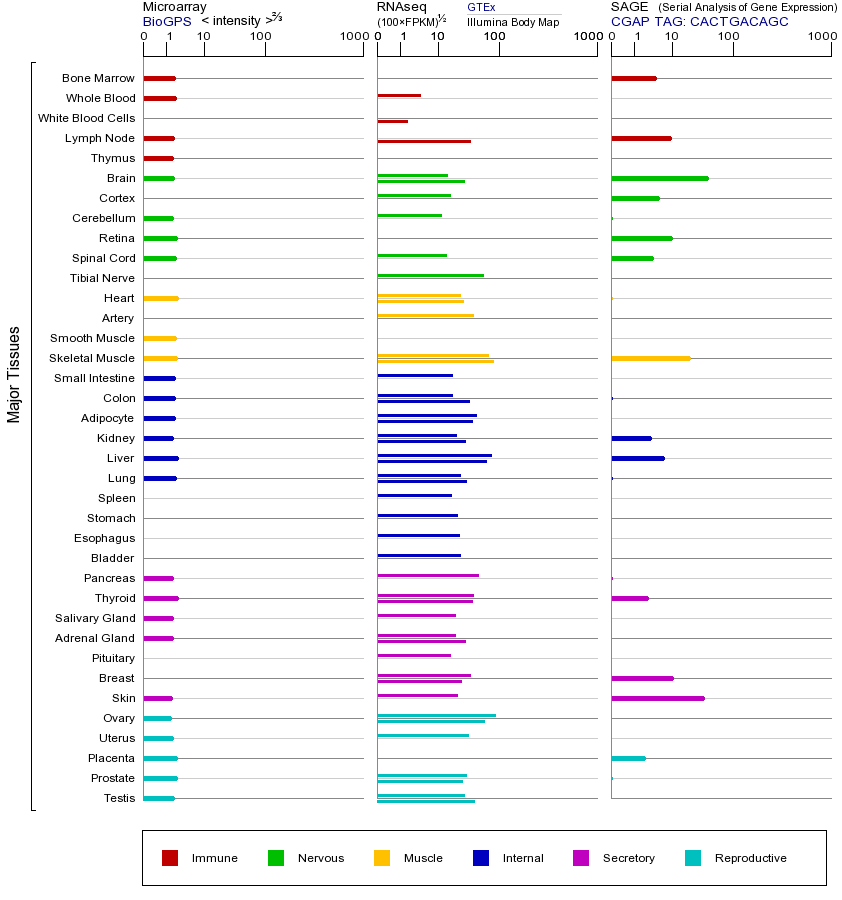
Gene Ontology
Subcellular localization of SLC7A2 (and its protein):
- plasma membrane
- cytoplasm
- extracellular
- golgi
- vesicle
- cytoskeleton
- endoplasmic reticulum
- nucleus
- endosome
- lysosome
- mitochondrion
Gene Ontology (GO) terms for SLC7A2:
| Interacting Gene | Interaction | Source/Score |
| Name |
|---|
| Amino acid and oligopeptide SLC transporters |
| Amino acid transport across the plasma membrane |
| SLC-mediated transmembrane transport |
| Transmembrane transport of small molecules |
| Transport of inorganic cations/anions and amino acids/oligopeptides |
| Disease | Score | NofPmids | NofSnps | Source |
| Hyperparathyroidism, Secondary | 0.002367032 | 1 | 0 | GAD |
| Intolerance to protein | 0.000271442 | 1 | 0 | BeFree |
| Cataract | 0.000271442 | 1 | 0 | BeFree |
| Sepsis | 0.000271442 | 1 | 0 | BeFree |
| Liver carcinoma | 0.000271442 | 1 | 0 | BeFree |
| gastritis h pylori | 0.000271442 | 1 | 0 | BeFree |
| Tuberculosis, Pulmonary | 0.000271442 | 1 | 0 | BeFree |
| Diabetes Mellitus | 0.000271442 | 1 | 0 | BeFree |
| Septicemia | 0.000271442 | 1 | 0 | BeFree |
| Bilateral cataracts (disorder) | 0.000271442 | 1 | 0 | BeFree |

Contact
No. 2 Wenbo Road, Zhangqiu District, Jinan, Shandong
Qilu Normal University · Genelibs Bioinformatics Lab
750 Shunhua Rd, Jinan
2F, Bldg F, University Science Park
Tel: 0531-88819269
WeChat Official Account
Follow our WeChat subscription account for real-time updates and the latest in medical and biological research.
Business Email
E-mail: [email protected]

Copyright © 2026.Genelibs Jinan Honghui Biotechnology Co., Ltd. 鲁ICP备20007159号-2
